
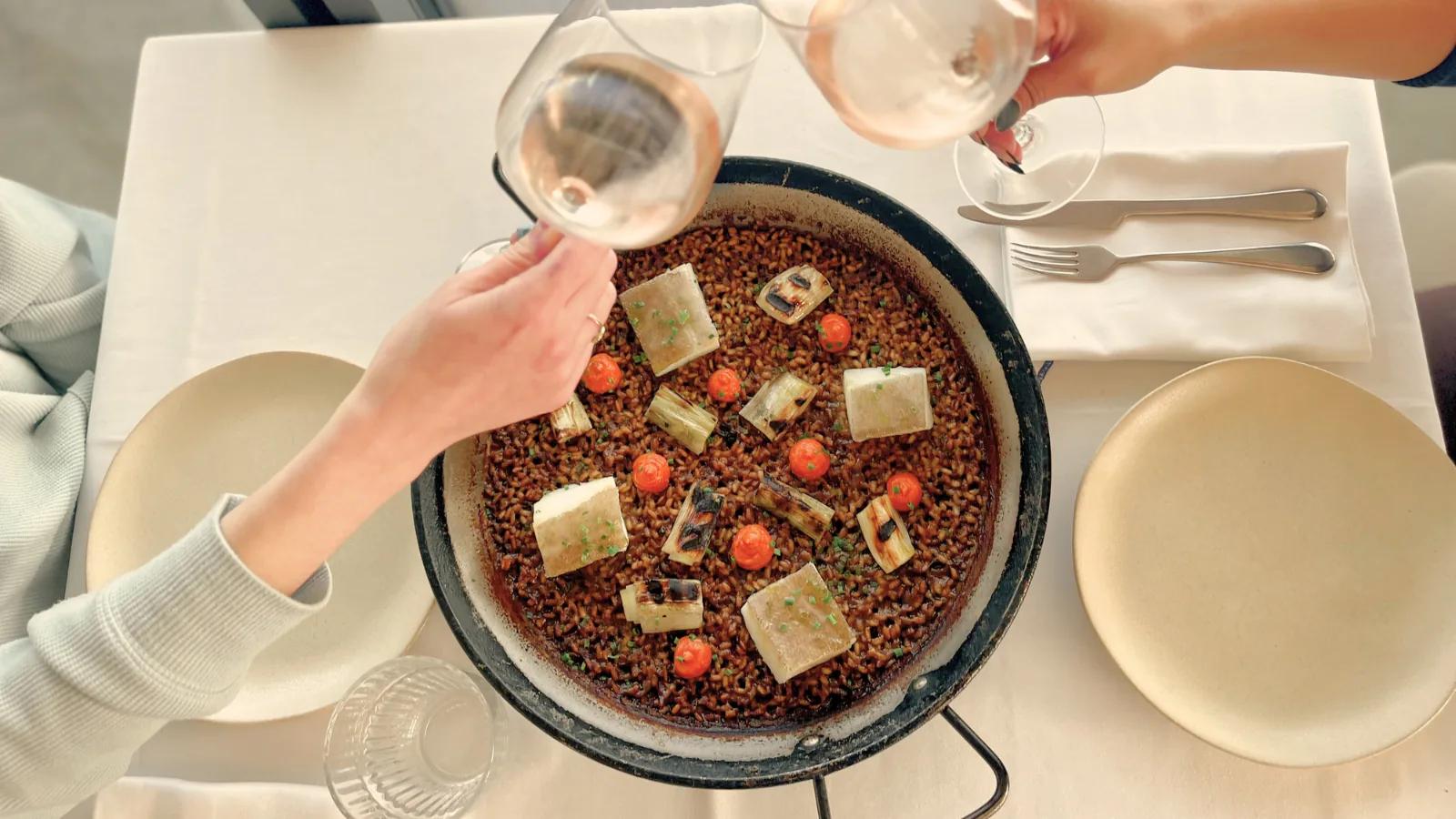
Catalan Dishes: The Most Iconic Traditional Foods You Must Try
Talking about Catalan dishes means talking about history, produce and a way of eating that needs no great artifice to be memorable. In Barcelona, this is especially noticeable: tradition lives alongside modern life, but the flavours of old still rule the table.
Catalan cuisine is not one single thing. It is sea, mountain, market garden and countryside. It is slow stews, well-made sofritos, bread with tomato, fresh fish and dishes that have been passed down from generation to generation without losing their essence.
If you are visiting Catalonia or simply want to understand its food culture better, these are some of the most iconic examples of traditional Catalan food you should try at least once.
1. Pa amb tomàquet (tomato bread)
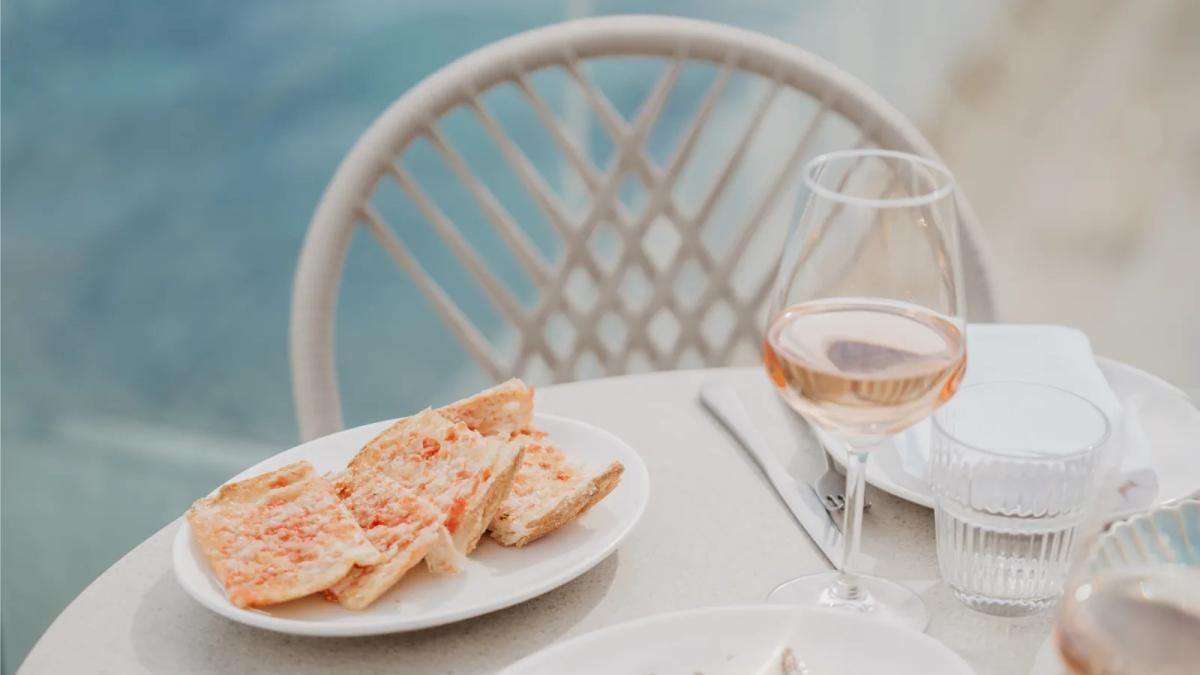
It may look simple, but it is probably one of the most important symbols of traditional Catalan food. Rustic bread, ripe tomato, olive oil and salt.
It is not just a side: it is almost a way of life. It is served with cured meats, cheese or as the base of many meals. The key is the quality of the bread and the tomato.
2. Escudella i carn d’olla (Catalan stew)
One of the most traditional dishes of the Catalan winter. It is a complete stew that combines broth, pasta (galets in many versions) and different meats and vegetables.
It is slow cooking, the kind that fills the house with aroma for hours. It represents the most homely and festive side of Catalan gastronomy.
3. Suquet de peix (Catalan fish stew)
This fish stew is pure Mediterranean. It was born as a fishermen’s meal and is now one of the great classics of the Catalan coast.
It is made with rockfish, potatoes, garlic and a deeply flavourful sofrito. It is a dish that speaks directly of the sea and of the seafaring tradition.
4. Calçots with romesco sauce
More than a dish, it is almost a ritual. Calçots (long, sweet spring onions) are grilled over flames and eaten with your hands, served with romesco sauce.
The calçotada is a social and gastronomic experience, held mostly between January and April, that marks the end of winter and the start of the kindest season of the year. Eating them inevitably means getting messy… and enjoying it.
5. Esqueixada (salt cod salad)
A cold, fresh dish, perfect for summer. It is made with shredded salt cod, tomato, onion, olives and olive oil.
It is a clear example of how Catalan cuisine can also be light without losing character. Ideal when the heat is on.
6. Fideuà (noodle paella)
Closely tied to the seafaring world, fideuà is similar to paella, but uses noodles instead of rice. It was born in Gandia, on the Valencian coast, although it is deeply rooted on the Catalan coast.
It is usually made with fish and seafood, and has that intense flavour of sofrito and fish stock that makes it irresistible. It is one of those dishes shared in the middle of the table without a second thought.
7. Botifarra amb mongetes (sausage with white beans)
A humble but very representative dish. Botifarra (traditional Catalan sausage) is served with sautéed white beans.
It is market cooking, the everyday kind that needs no explanation. Simple, direct and very tasty.
8. Catalan canelones
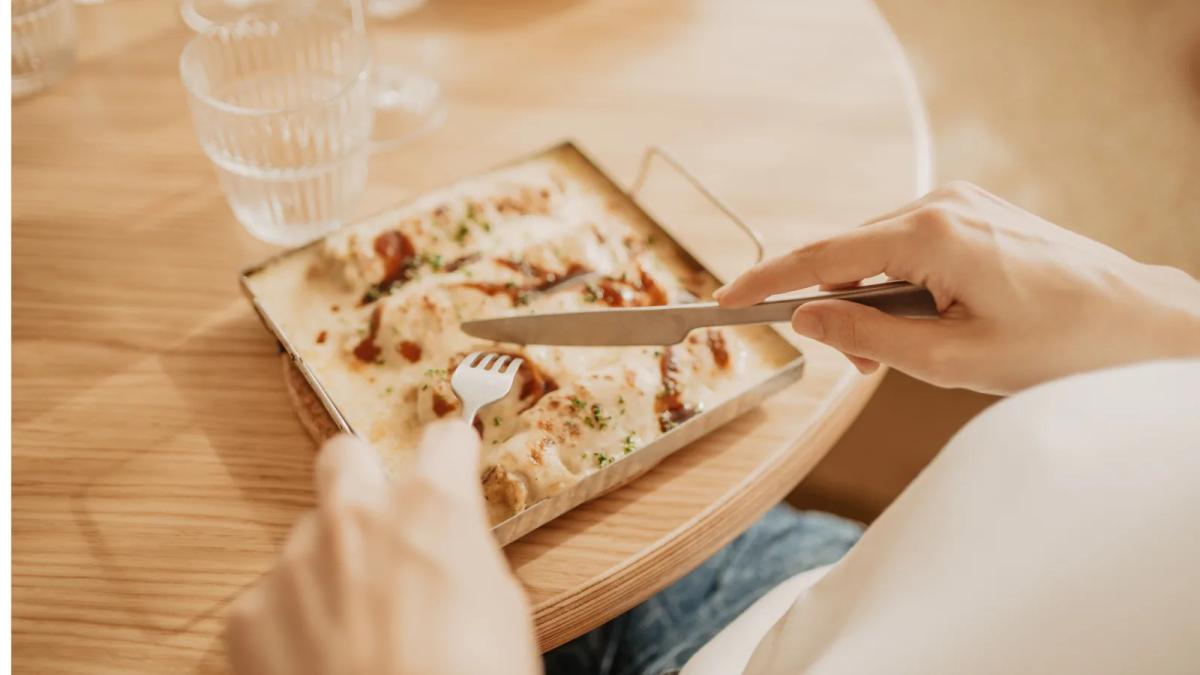
Although canelones originated in Italy, in Catalonia they have become a traditional dish, above all on Sant Esteve (St Stephen’s Day), 26 December.
They are usually filled with leftover roast meat and gratinated with béchamel. They are a perfect example of resourceful cooking turned into a classic.
9. Crema catalana
The most iconic dessert. Similar to crème brûlée, but with a personality of its own: a smooth cream flavoured with lemon and cinnamon, topped with a layer of caramelised sugar that cracks under the spoon.
It is the perfect ending to any traditional Catalan meal.
10. Mar i muntanya (surf and turf)
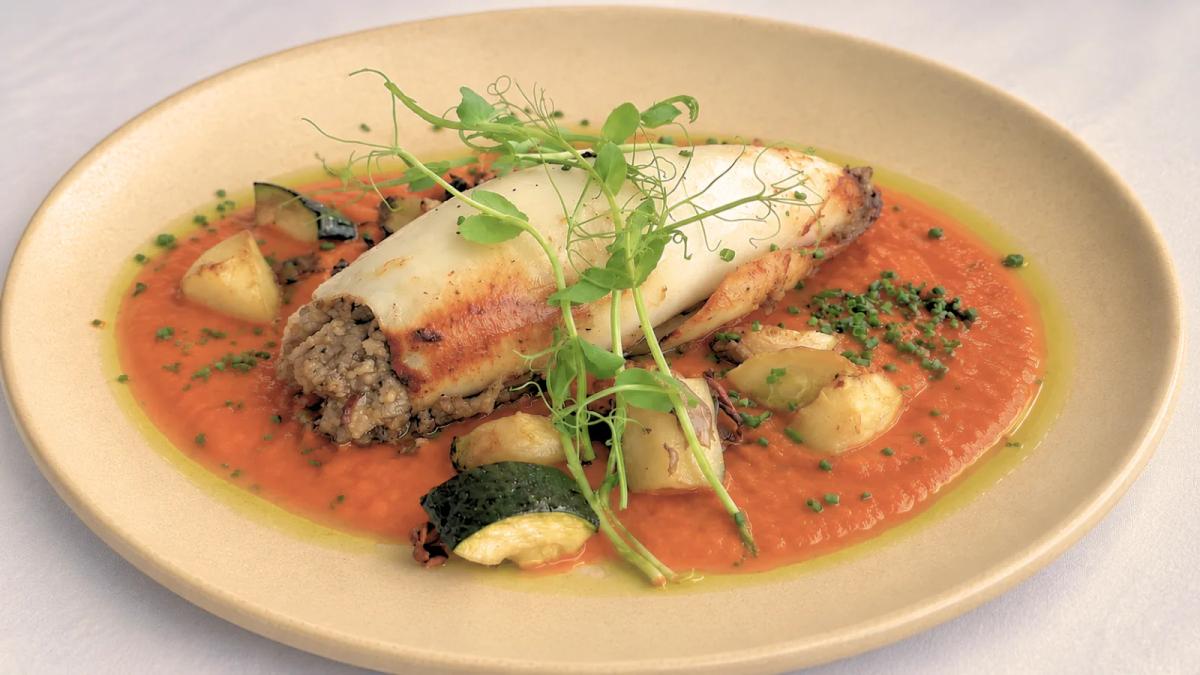
More than a specific dish, it is an idea of cooking: combining products from the sea and the mountain in the same recipe.
Chicken with langoustines, cuttlefish with meatballs… combinations that may seem unexpected but sum up the creative and balanced essence of Catalan cuisine.
Catalan Dishes: A Cuisine with Its Own Identity
What makes Catalan gastronomy interesting is not only the variety of dishes, but their coherence. Everything revolves around the produce, the season and a way of cooking that respects the original flavour of each ingredient.
It is a cuisine that does not try to impress, but to move you with what is authentic.
And that is precisely what makes it so special.
Experiencing Catalan Cuisine Today
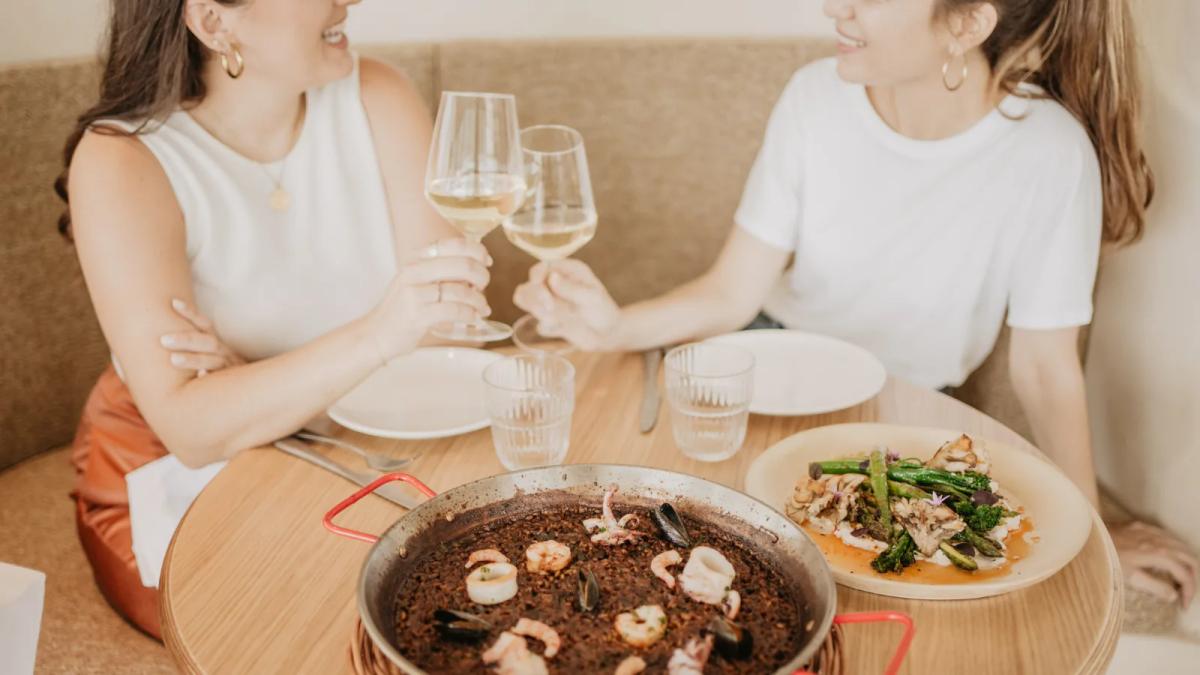
Nowadays, Catalan dishes sit alongside more modern proposals, reinterpretations and creative cooking. But the foundation remains the same: good produce, respect for tradition and love of the shared table.
If you want to experience that essence without losing a contemporary touch, and enjoy a cuisine that draws directly from this Mediterranean tradition, it is worth visiting El Tribut, a Mediterranean restaurant in Barcelona where cooking is understood from its origins, with respect for the produce and a way of eating that turns every dish into part of a bigger story.
On its menu you will find classics from this list such as pa de vidre with tomato, roast-meat canelones, rice with botifarra and crema catalana. Book your table and try them with views of the Mediterranean.
El Tribut: the restaurant that pays tribute to Gaudí's art
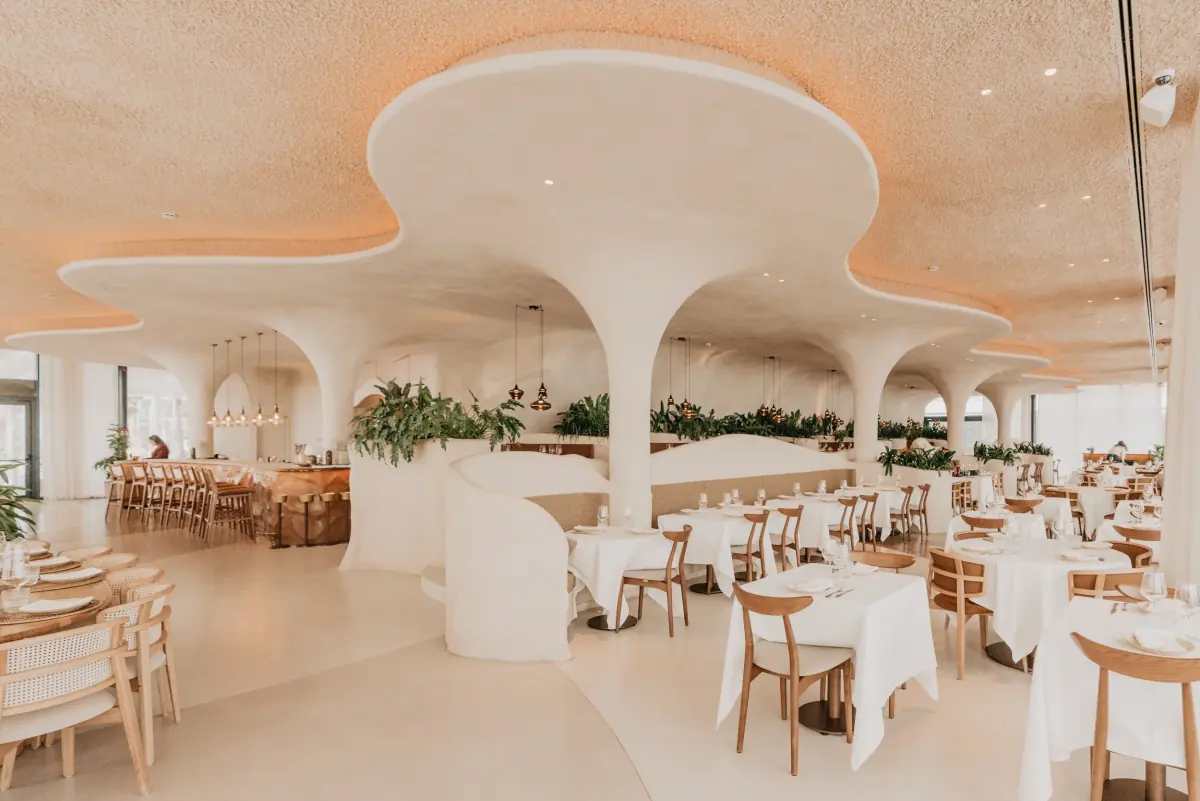
Barcelona's iconic restaurant that pays homage to Gaudí and his legacy.
Every curve, colour and detail reflects the essence of Catalan modernism, creating a space where the architecture takes centre stage.
Organic shapes and natural materials connect you with nature and the beauty that surrounds the city.
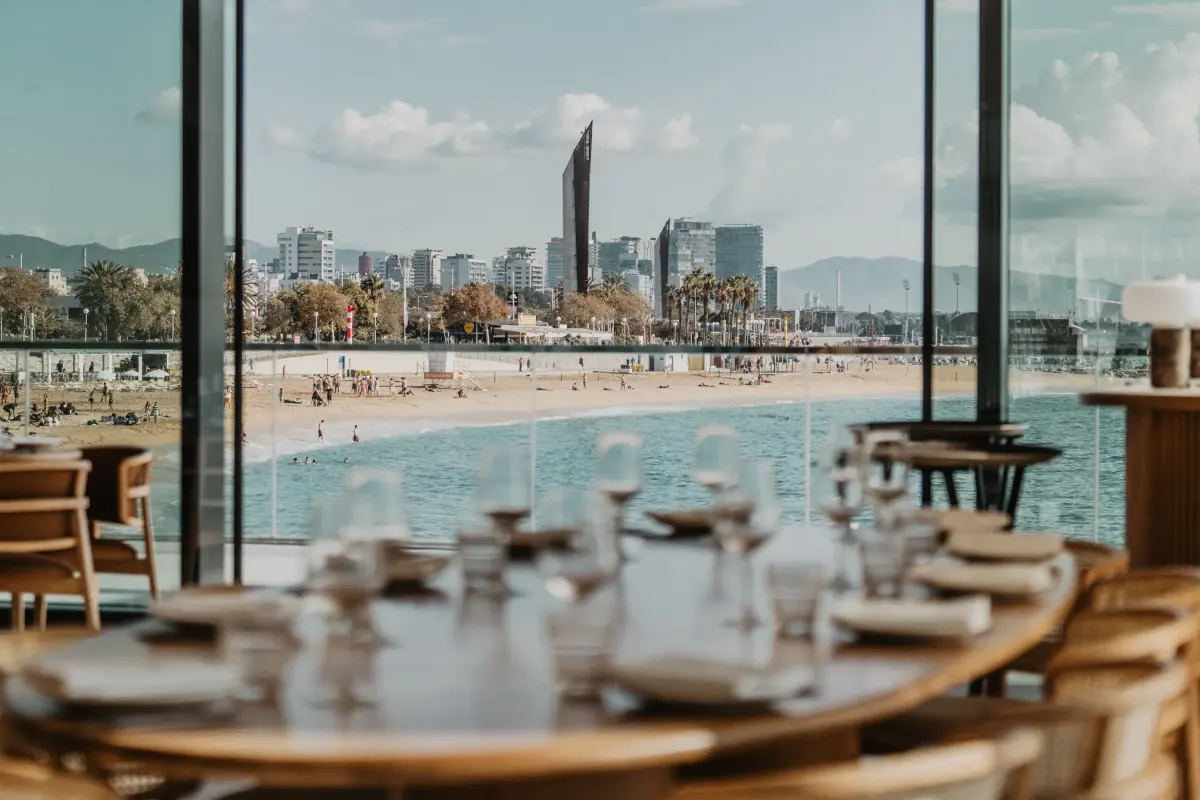
Enjoy the fresh flavours of the Mediterranean while you take in the views of Port Olímpic.
Our cooking combines local, seasonal ingredients with creative presentation, turning every dish into an experience that awakens all the senses.
At El Tribut, the essence of Catalan modernism comes alive in every corner.

Come for a unique experience, where architecture, food and atmosphere come together to leave you with unforgettable memories.