
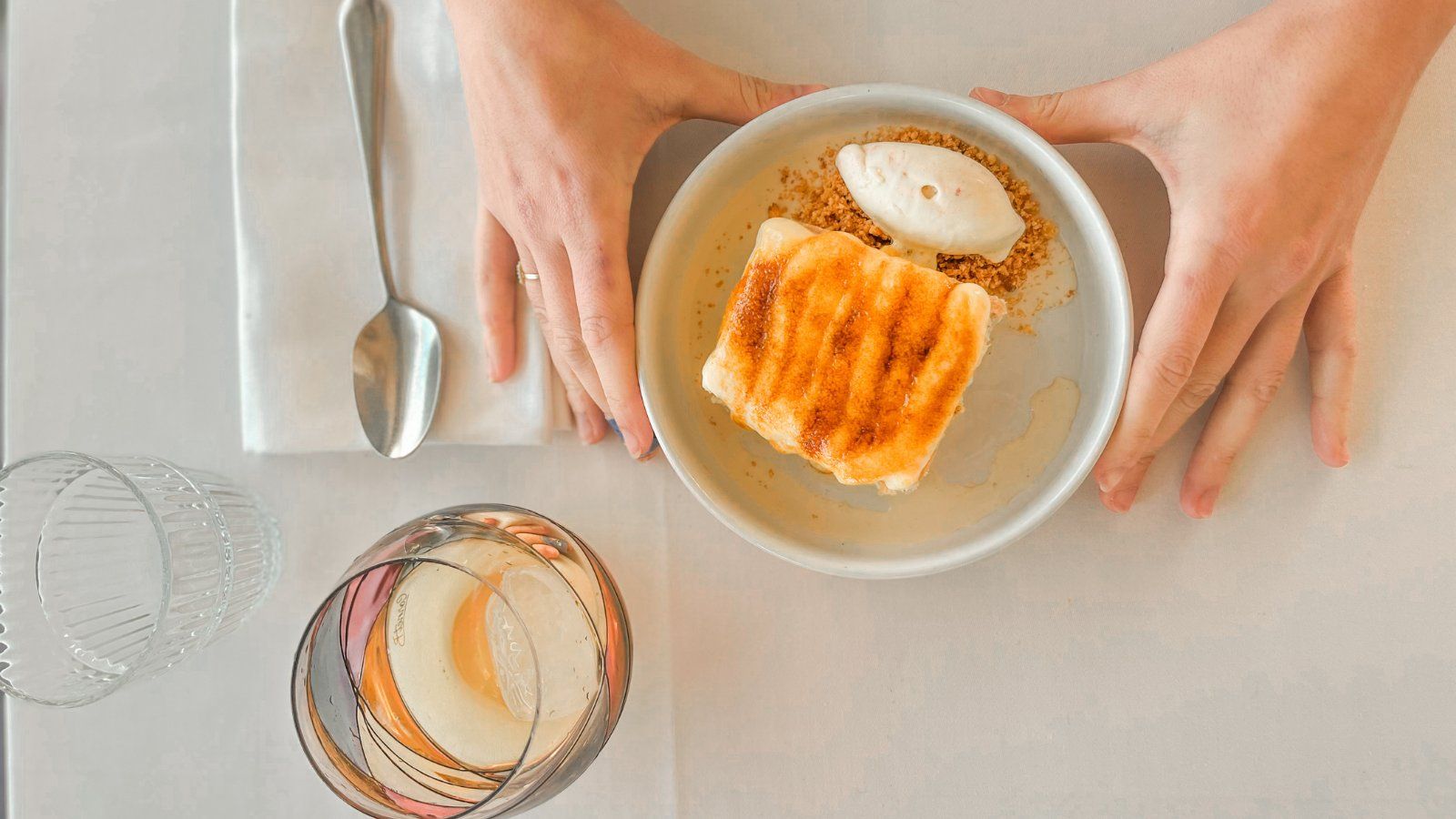
Traditional Catalan Desserts: 8 Classics | El Tribut
Catalan desserts
Talking about traditional Catalan desserts means talking about memory, family celebrations and recipes passed down from generation to generation without losing their essence. In Barcelona, many of these Catalan desserts are still found in homes and restaurants alike, a reminder that a meal does not end with the main course.
Because if there is one thing Catalan cuisine has, it is that after the traditional Catalan dishes, it also knows how to close a meal with an identity of its own: sweet, often simple, but with a very distinctive personality.
The importance of Catalan desserts in tradition
In Catalan food culture, dessert is not a minor extra. It is part of the ritual of the meal. Especially at celebrations, family Sundays or traditional festivals, the sweet ending plays a leading role.
Many of these sweets were born in humble circumstances, with basic ingredients such as milk, eggs, sugar or nuts. Over time, they have become symbols of local cuisine.
1. Crema catalana: the great classic
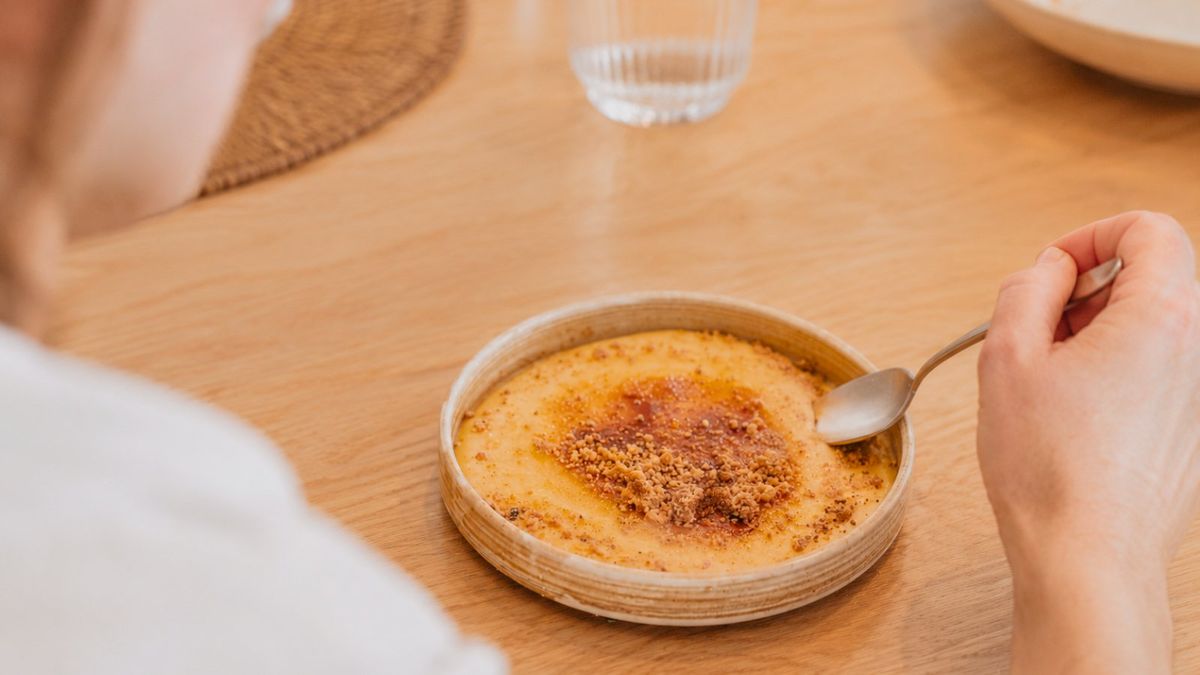
If one dessert represents Catalonia around the world, it is crema catalana. Its smooth texture, its lemon and cinnamon aroma and that layer of caramelised sugar that cracks under the spoon make it unmistakable.
It is simple in ingredients but very technical to get just right. The balance between creaminess and the crunch of the sugar is what makes it an icon.
2. Mel i mató (fresh cheese with honey)
One of the oldest and simplest sweets. It consists of mató, a fresh curd cheese, served with honey. Sometimes nuts such as walnuts or pine nuts are added.
It is a dessert that captures the Mediterranean spirit very well: few ingredients, natural and combined honestly.
3. Panellets
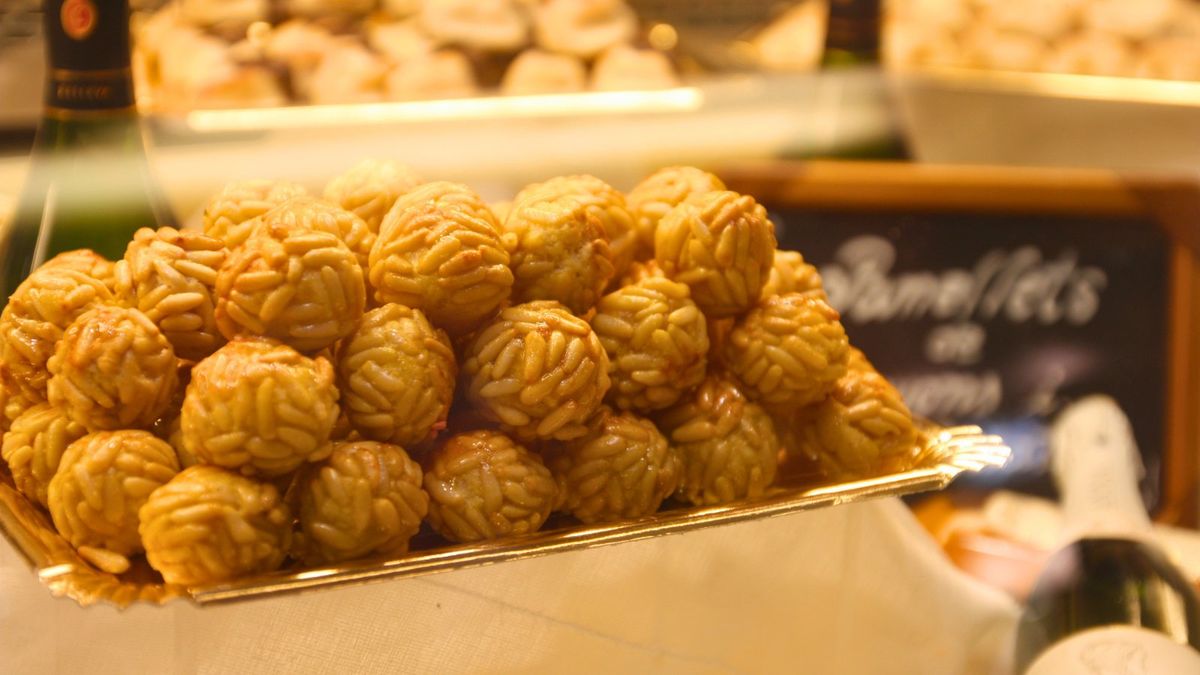
Traditional for All Saints’ Day, panellets are small marzipan balls covered in pine nuts, coconut, almond or other ingredients.
They are dense, energy-rich sweets, closely tied to family tradition and autumn celebrations.
4. Xuixos
Originally from Girona, xuixos are fried brioche pastries filled with custard and coated in sugar. Crisp outside and creamy inside, they are a perfect example of classic indulgence.
Although they are not light, they are part of Catalonia’s best-loved pastry tradition.
5. Coca de Sant Joan (St John’s Eve cake)
Although it is especially associated with the Sant Joan bonfire night, the coca has become a symbol of celebration. It can be sweet or savoury, but the most traditional version has candied fruit and pine nuts.
It is shared at family gatherings and marks the start of summer for many people.
6. Neules (Christmas wafers)
Neules are thin, crisp wafers, traditionally eaten at Christmas alongside cava. Their light texture contrasts with other, denser sweets in Catalan pastry-making.
They are simple, yet very representative of the Christmas season.
7. Bunyols (fritters)
Especially popular during Lent, bunyols are small pieces of fried dough, sometimes filled with custard or cream, and dusted with sugar.
They are the kind of sweet that appears at specific times of the year and builds tradition through its seasonality.
8. Tortell de Reis (Three Kings’ ring cake)
The tortell de Reis is a much-awaited tradition in January. It is a brioche ring filled with marzipan or cream, decorated with candied fruit.
Inside it hides the classic surprise and the bean, keeping the festive ritual alive.
A sweet heritage that is still alive
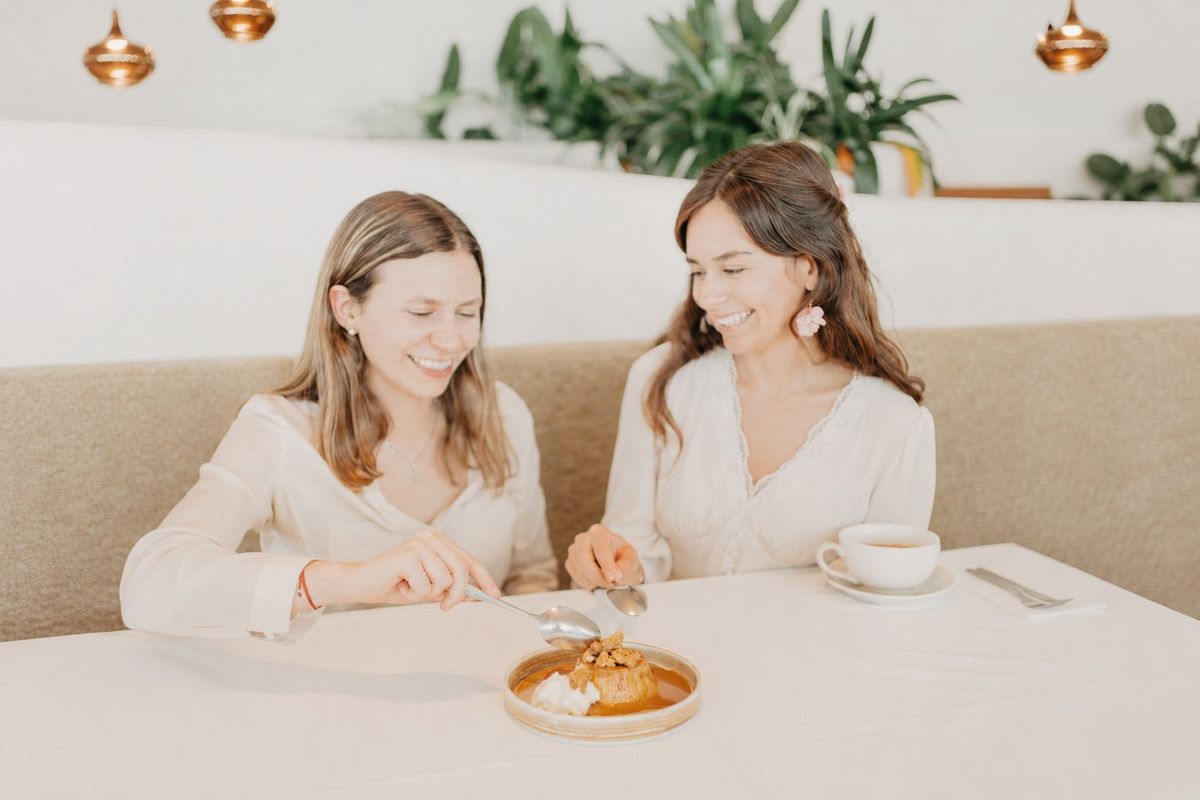
The most interesting thing about Catalan desserts is not only their variety but their continuity. Many of them are still found in pastry shops, restaurants and homes with few changes, which shows how relevant they remain.
Tradition and modernity at the table
Today, many chefs reinterpret these typical Catalan desserts without losing their essence: playing with textures, presentation or small nuances, while keeping the original flavour.
This combination of respect for tradition and a contemporary outlook is what keeps Catalan pastry-making alive.
A sweet ending with a Mediterranean soul
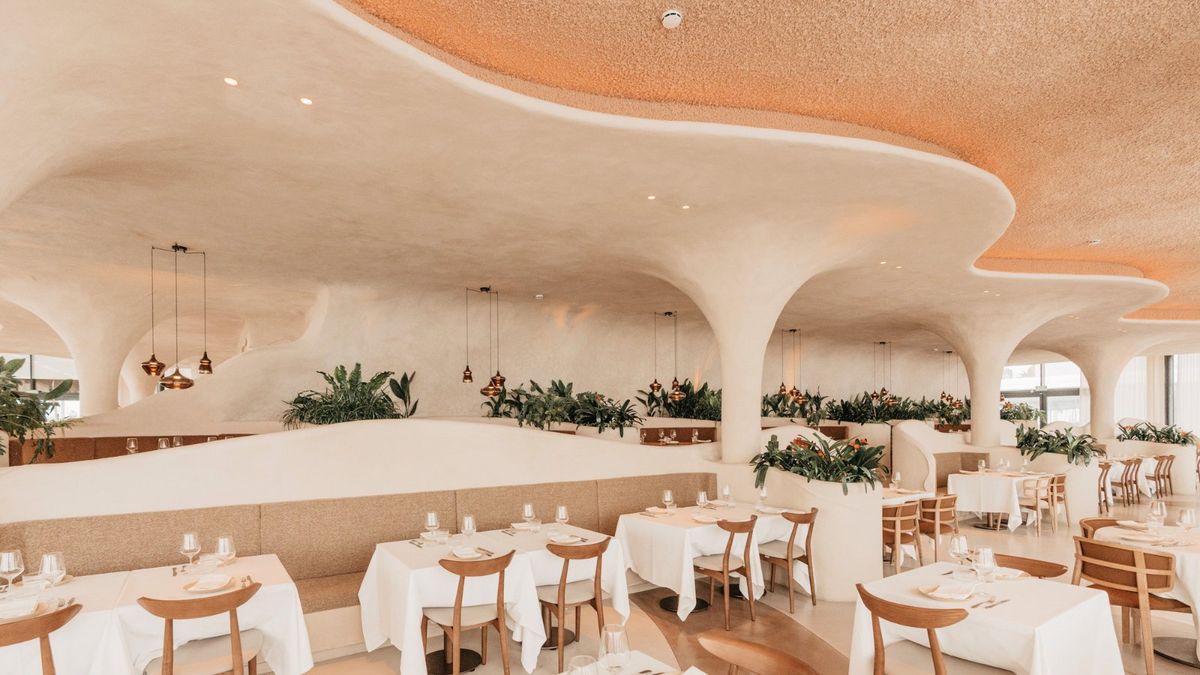
Catalan cuisine shows that the simple can be extraordinary. And Catalan desserts are the best example: basic ingredients, traditional techniques and a result that still moves us.
If you want to end a meal with this same philosophy — honest sweetness, respect for tradition and an experience that fits contemporary Mediterranean cooking — it is worth discovering El Tribut. A place where every detail, even the sweet ending, is part of an approach to food built on produce and authenticity.
El Tribut: the restaurant that pays tribute to the art of Gaudí
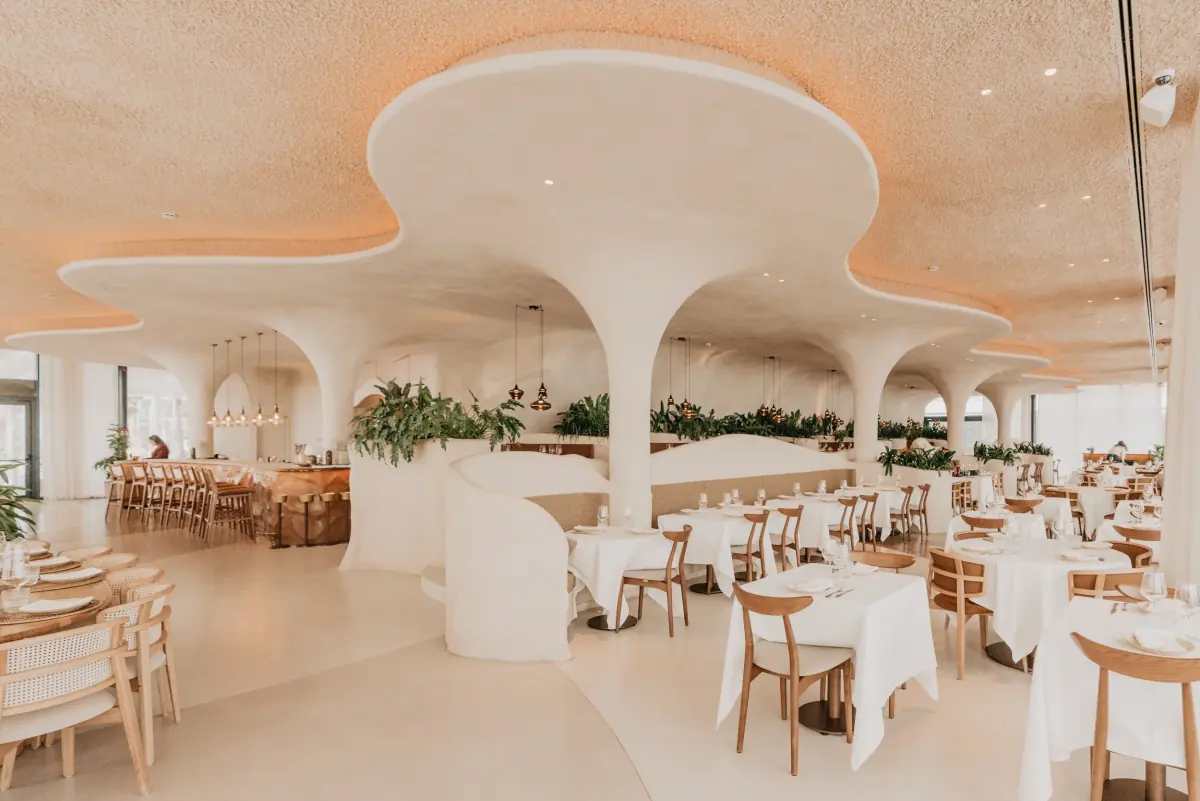
The iconic restaurant in Barcelona that pays homage to Gaudí and his legacy.
Every curve, colour and detail reflects the essence of Catalan Modernisme, creating a space where architecture takes centre stage.
Organic shapes and natural materials connect you with the nature and beauty that surrounds the city.
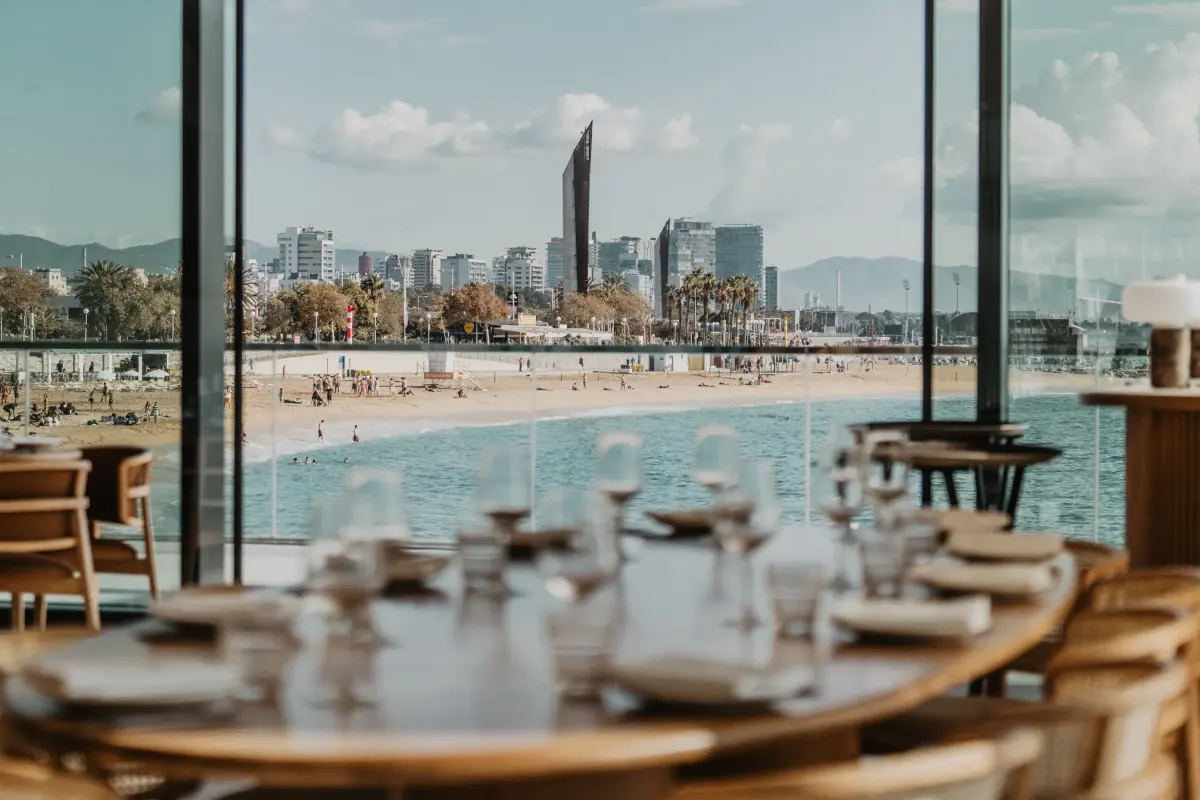
Enjoy the fresh flavours of the Mediterranean while you take in the views of the Port Olímpic.
Our cuisine combines local and seasonal ingredients with creative presentations, turning each dish into an experience that awakens all the senses.
At El Tribut, the essence of Catalan Modernisme comes to life in every corner.
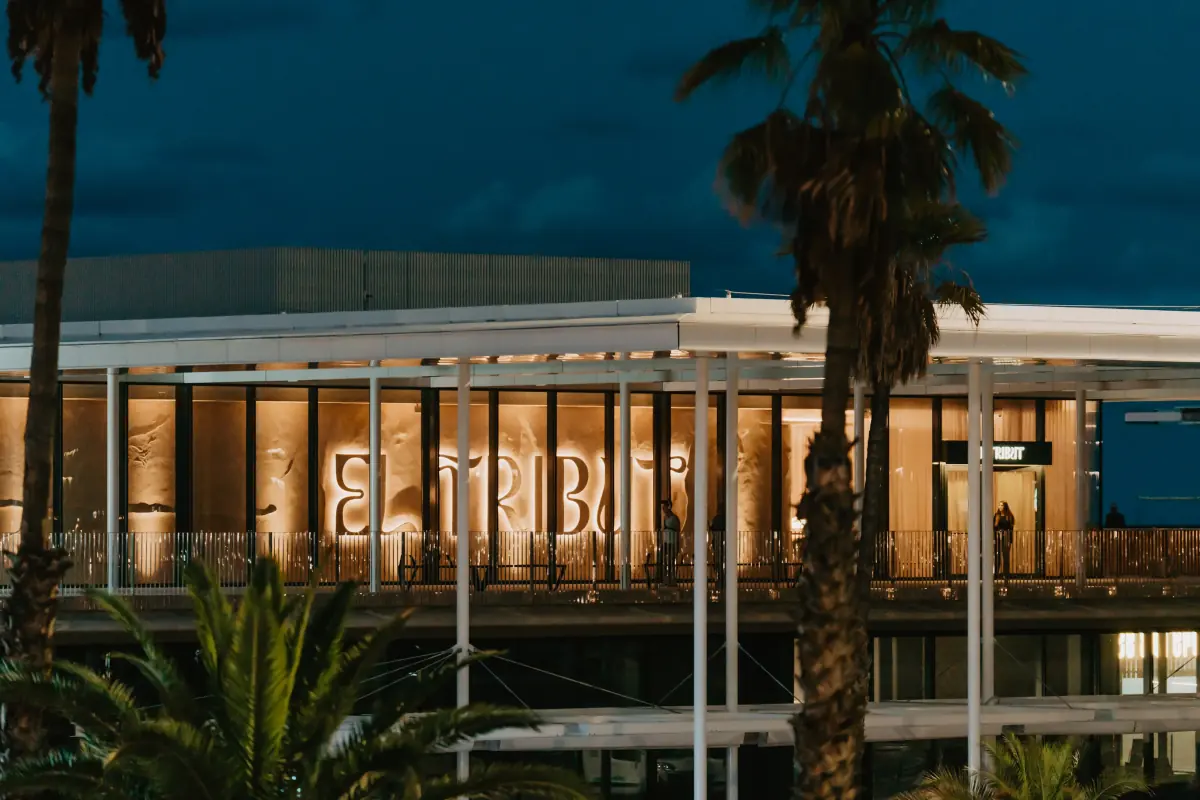
Come and experience something unique, where architecture, gastronomy and atmosphere combine to offer you unforgettable memories.